
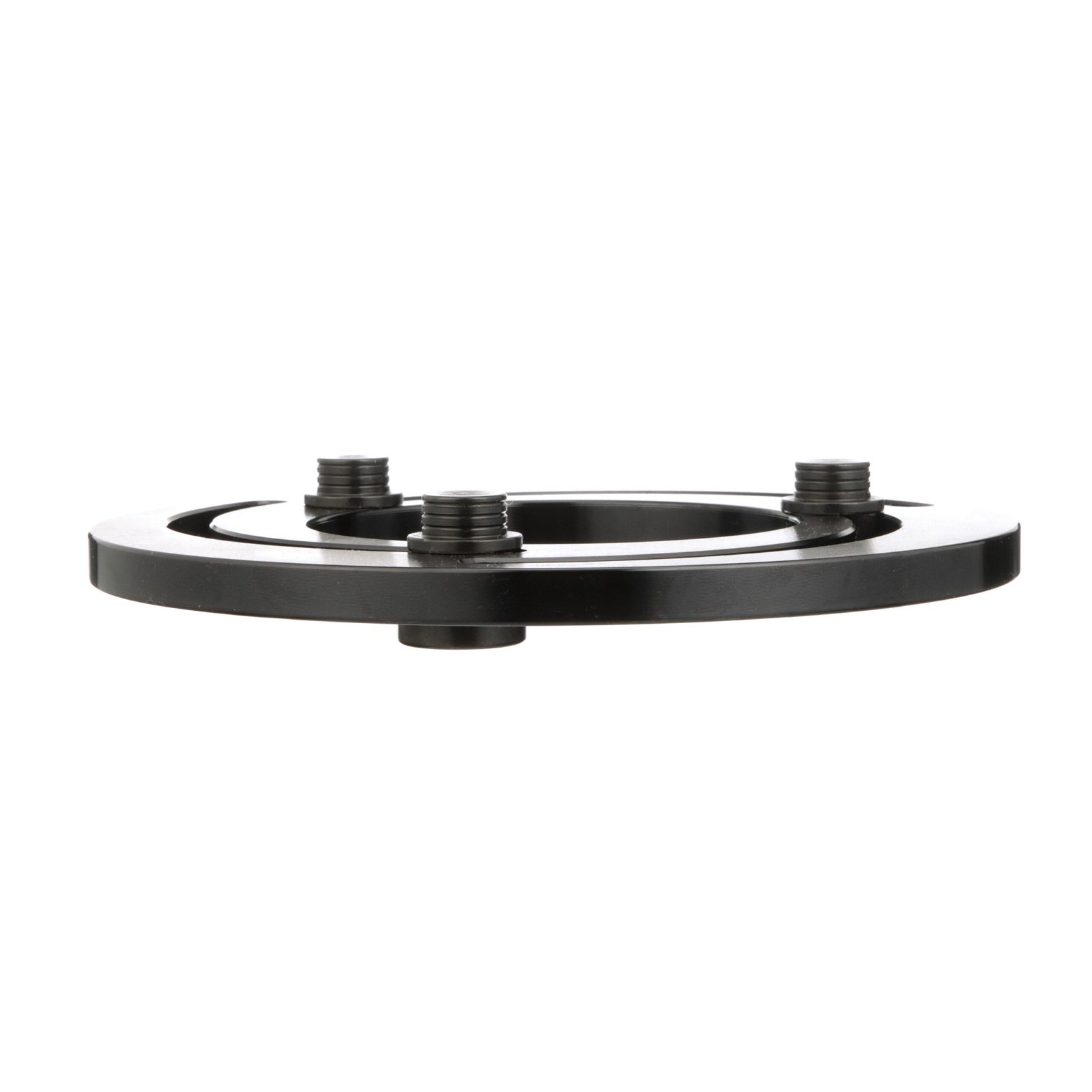
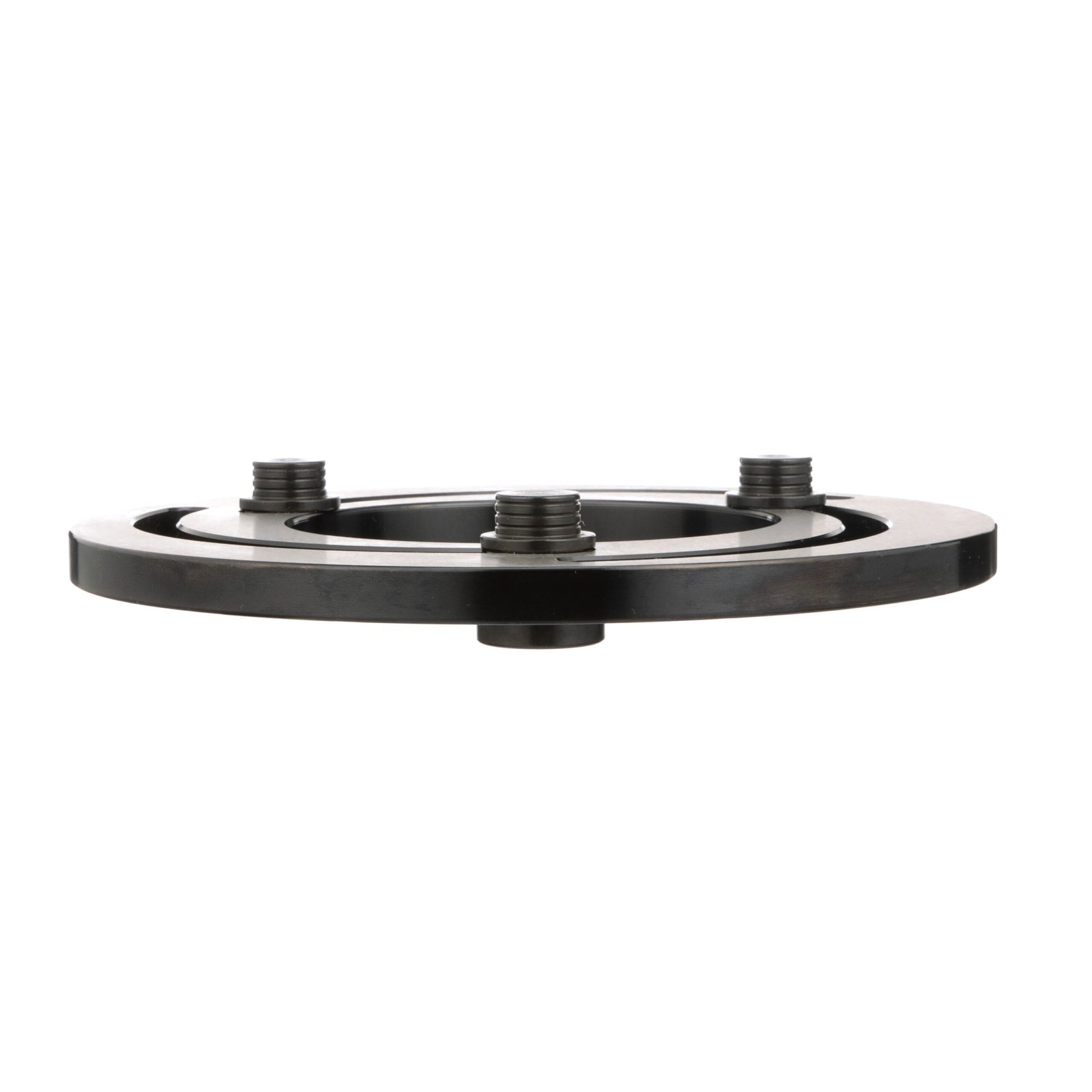
Taiki 10″ Jaw Boring Ring for CNC Lathe Soft Jaws
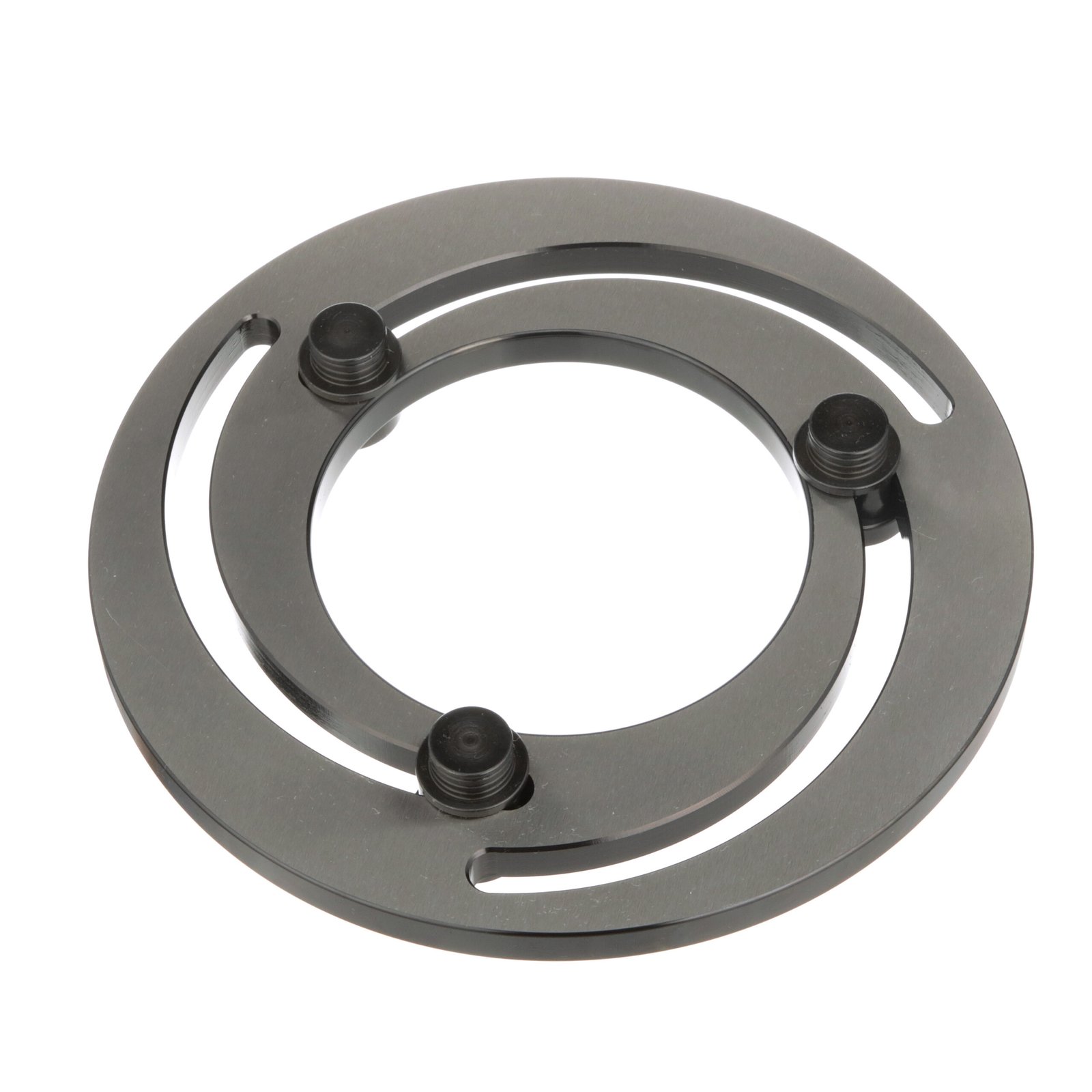
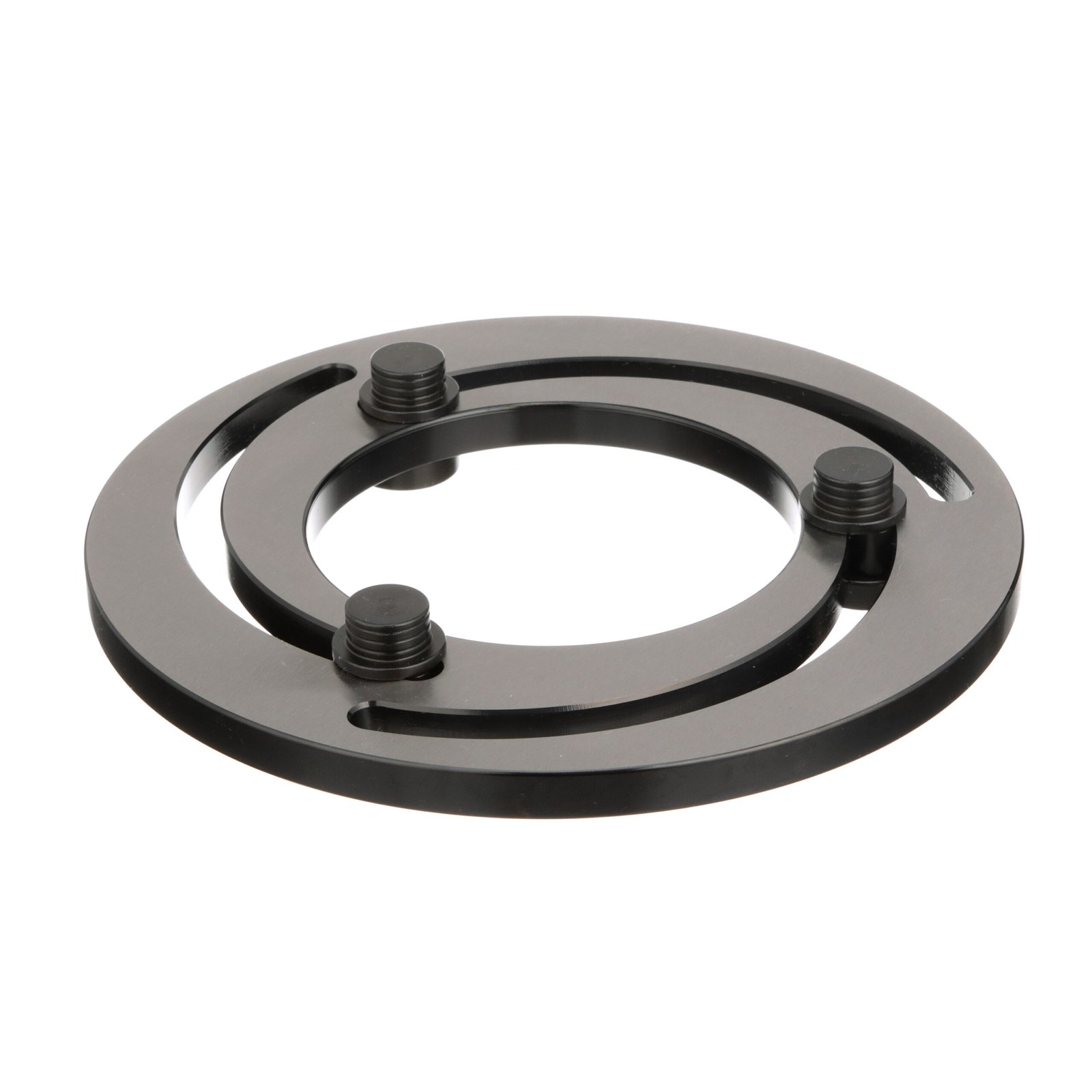
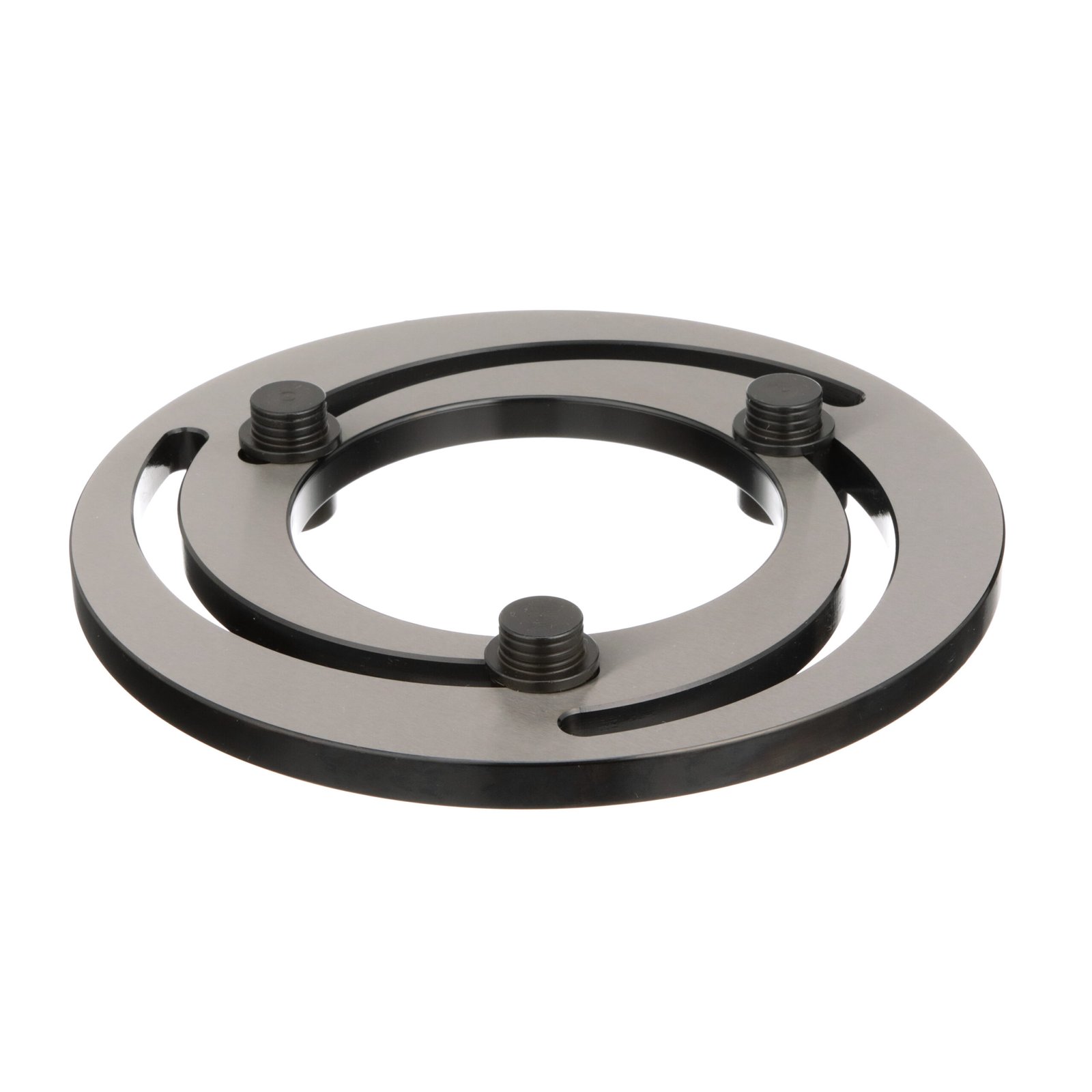
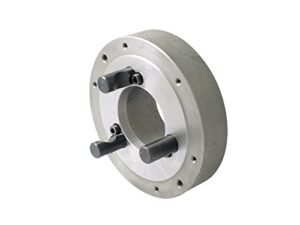
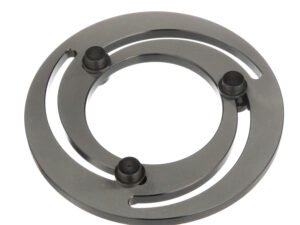
The Taiki 10-inch jaw boring ring is a soft-jaw setup tool designed to preload compatible chuck jaws before boring or turning their gripping profile.
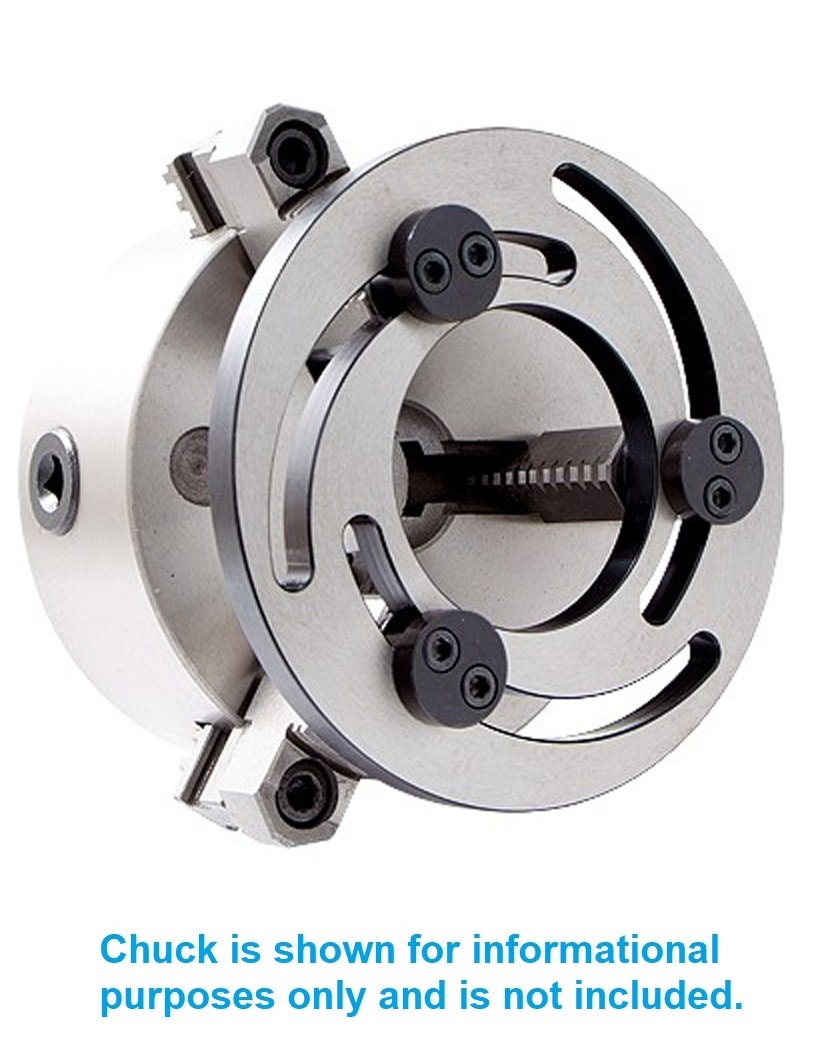
It attaches to the front of the jaws without additional installation tools, applies balanced pressure across the jaw set and compensates for jaw lift during the machining process.
Unlike a disc or plug positioned inside the jaw opening, the ring leaves the center accessible. This allows the operator to machine completely through the soft jaws when the required gripping profile extends through the full jaw width.
Why Soft Jaws Must Be Preloaded Before Boring
Soft jaws should be machined under a controlled load that represents their operating condition. If the jaws are bored without preload, clearances in the chuck mechanism can allow them to occupy a different position when the actual workpiece is clamped.
That difference can contribute to:
- Workpiece runout after rechucking
- Incorrect gripping diameter
- Uneven jaw contact
- Loss of axial seating
- Inconsistent finish-turning results
- Additional setup and correction time
The boring ring loads the jaws during machining so that their working position more closely represents the intended clamping condition.
Compensates for Jaw Lift
Jaw lift occurs when mechanical clearance and clamping forces allow the front of a jaw to rise or tilt relative to its unloaded position. Even small movement can affect the relationship between the machined jaw profile, chuck axis and workpiece seating surface.
The Taiki ring attaches at the front of the jaws, where the preload can account for this movement while the soft-jaw profile is being machined.
Jaw-lift compensation does not repair a worn or damaged chuck. Excessive movement in the master jaws, scroll, wedge mechanism or guides should be corrected before machining a precision jaw set.
Through-Bore the Jaws Without a Center Plug
Traditional soft-jaw setups may use a disc, bung or plug gripped inside the jaw opening. While simple, that object occupies the same area that may need to be machined.
The open-center jaw boring ring applies preload from the front of the jaw set, leaving the central bore accessible to the boring tool.
This design is useful for:
- Machining a gripping diameter through the complete jaw width
- Preparing deeper soft-jaw profiles
- Creating through-clearance behind a locating step
- Avoiding interference from an internal boring plug
- Using longer boring tools when the setup requires additional reach
Tool-Free Front Attachment
The ring is designed to attach to the front of compatible jaws without separate installation tools. This reduces setup time compared with improvised preload components that must be located, measured or specially machined for each job.
The ring should be correctly seated and all jaw-contact points verified before the chuck is actuated. Never assume secure engagement without inspecting the complete setup.
Equal Pressure Across the Jaw Set
The Taiki ring is designed to apply equal pressure to all engaged jaws. Balanced preload helps keep the chuck mechanism loaded consistently while the soft-jaw gripping diameter is machined.
The applied chuck pressure should reflect the intended production setup as closely as practical. Excessive pressure during jaw boring can create a profile that changes when the workpiece is later held with a lower clamping force.
Built for 10″ CNC Lathe Chucks
This model is sized for compatible 10-inch lathe chucks. The 10-inch designation identifies the intended chuck size; it does not mean universal compatibility with every chuck, master-jaw design or soft-jaw configuration in that diameter.
Confirm the following before ordering:
- Chuck nominal diameter
- Jaw-face geometry
- Available front-jaw attachment points
- Ring inside and outside dimensions
- Jaw travel required to engage the ring
- Clearance between the ring, jaws and machine enclosure
- Required boring-tool access
Useful for CNC Production Setups
In a CNC turning department, soft-jaw preparation is often part of the setup time charged against the first production part. Searching for a suitable plug or machining a temporary preload disc adds non-cutting time.
A dedicated 10-inch jaw boring ring is useful for:
- Recurring CNC jobs
- Second-operation soft-jaw setups
- Finish turning pre-machined components
- Batch production requiring dedicated jaw sets
- Thin-wall rings, sleeves and flanges
- Workpieces requiring an axial locating step
- Toolroom and maintenance jaw preparation
Second-Operation and Finish-Turning Work
Soft jaws are commonly used when a part must be reversed after the first operation. A workpiece-specific gripping profile can support a finished diameter while providing an axial stop for controlling part location.
The open-center ring allows the operator to machine the required diameter and, when the jaw geometry permits, continue through the jaw profile without an internal preload disc obstructing the tool.
Applications in Repair and Maintenance Workshops
Repair shops frequently work with unique diameters rather than standardized production parts. The ring can help prepare dedicated jaws for:
- Bearing housings and retainers
- Pump and motor components
- Large bushings and sleeves
- Flanges and coupling parts
- Pulleys and hubs
- Previously machined components requiring rework
Useful for Automotive Turning Operations
For suitably sized components, automotive machine shops can use the ring when preparing soft jaws for hub, pulley, adapter, collar and flange work.
Safety-critical vehicle components require appropriate engineering, material verification and dimensional inspection. The boring ring supports jaw preparation but does not determine whether a component is safe to machine or return to service.
Not a Chuck Adapter or Backplate
The Taiki 3900-4656 is a jaw-preloading and boring tool. It is not:
- A spindle-to-chuck adapter
- A chuck backplate
- A set of soft jaws
- A boring bar
- A chuck alignment plate
- A replacement for worn master jaws
The chuck, soft jaws, boring tool and mounting components are not included.
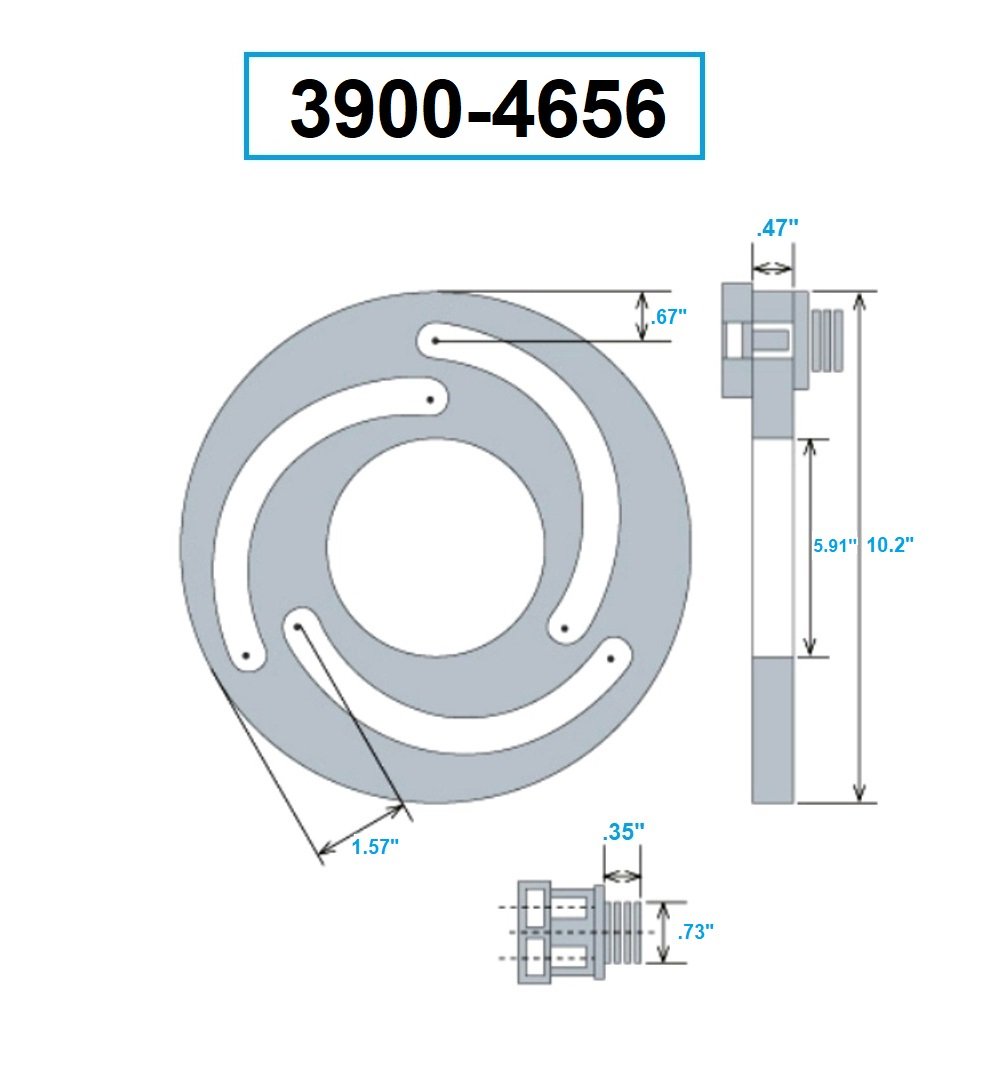
Reference Dimensions
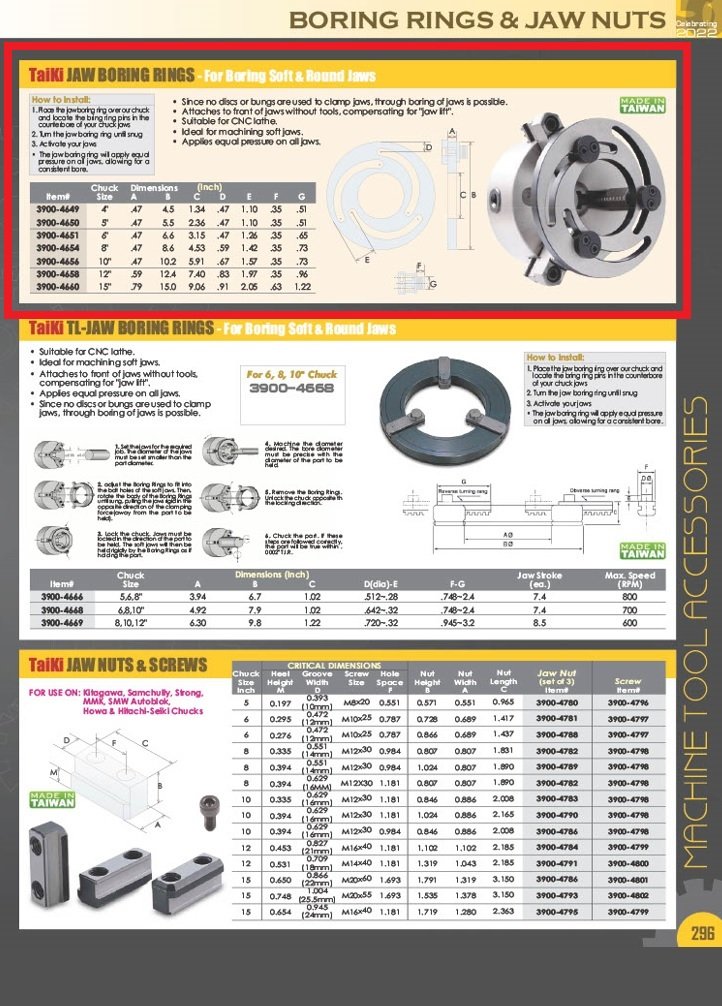
| Dimension | Published Value |
|---|---|
| A | 0.47″ |
| B | 10.20″ |
| C | 5.91″ |
| D | 0.67″ |
| E | 1.57″ |
| F | 0.35″ |
| G | 0.73″ |
The lettered dimensions must be interpreted using the corresponding manufacturer drawing or product diagram. Do not assign a function to an A–G dimension based only on its numerical value.
Technical Specifications
| Brand | Taiki |
|---|---|
| Distributor Reference | 3900-4656 |
| Product Type | JB-type jaw boring ring |
| Recommended Application | Machining soft jaws |
| Intended Chuck Size | 10″ |
| Machine Type | Compatible CNC and manual lathes |
| Attachment Method | Front-of-jaw, tool-free attachment |
| Center Access | Open for through-boring |
| Primary Function | Equal jaw preload and jaw-lift compensation |
| Chuck Included | No |
| Soft Jaws Included | No |
| Shipping Weight | 8 lbs |
Recommended Setup Procedure
- Disconnect or place the machine in a safe setup condition according to shop procedures.
- Clean the chuck, master jaws, soft jaws and boring-ring contact surfaces.
- Install and tighten the soft jaws according to the chuck manufacturer’s instructions.
- Position the boring ring against the front of the jaws.
- Verify that each contact point is correctly and securely engaged.
- Actuate the chuck to apply a balanced preload in the required direction.
- Confirm that the ring, jaws and boring tool have sufficient clearance.
- Bore or turn the soft jaws to the required gripping diameter.
- Stop the spindle completely before releasing or adjusting the ring.
- Remove the ring, clean the jaws and verify the finished profile.
- Install a test workpiece and measure runout before production.
Use only a safe setup speed permitted by the chuck, jaw and boring-ring manufacturers. A maximum operating RPM is not provided in the supplied specifications.
How to Machine Soft Jaws More Consistently
- Preload the jaws in the same direction used to grip the workpiece.
- Use clamping pressure representative of the production operation.
- Bore the profile close to the actual gripping diameter.
- Keep the gripping depth consistent with the production setup.
- Add only the axial locating step required by the process.
- Deburr all edges and clean chips from the chuck mechanism.
- Record the boring diameter and clamping pressure for recurring jobs.
- Verify workpiece runout before starting the production cycle.
Frequently Asked Questions
Why use a jaw boring ring instead of a plug?
A plug or disc occupies the center of the soft jaws and may prevent the boring tool from passing completely through. The open-center ring applies preload from the jaw fronts, leaving the central machining area accessible.
Does the ring compensate for jaw lift?
It is designed to preload the jaws from the front and compensate for normal jaw lift during boring. It cannot correct excessive movement caused by a worn or damaged chuck.
Will it fit every 10″ chuck?
No. The chuck size is only the first compatibility requirement. Compare the ring dimensions, jaw geometry, attachment points, jaw travel and available clearance.
Are soft jaws included?
No. This listing is for the jaw boring ring only. The chuck, soft jaws and cutting tools are not included.
Can it be used on a manual lathe?
The product is promoted for CNC lathes, but its jaw-preloading function may also be relevant to a compatible manual-lathe setup. Fit, clearance and safe operating conditions must be verified.
Is it the same as the Taiki jaw boring fixture?
No. This is the JB-type ring, reference 3900-4656, intended for a 10″ chuck. Taiki jaw boring fixtures in the 3900-466x series use a different design and compatibility range.
Stop Improvising Soft-Jaw Preload Components
Using random discs, plugs or scrap parts for every jaw-boring setup consumes time and can produce inconsistent preload conditions. The Taiki ring provides a dedicated, open-center solution for compatible 10-inch chucks.
Need to verify fit? Send SHOP TOOL USA the chuck manufacturer, model, diameter, photographs of the jaw fronts and the relevant dimensions. We can help compare the setup before you order.
Reviews
There are no reviews yet.