
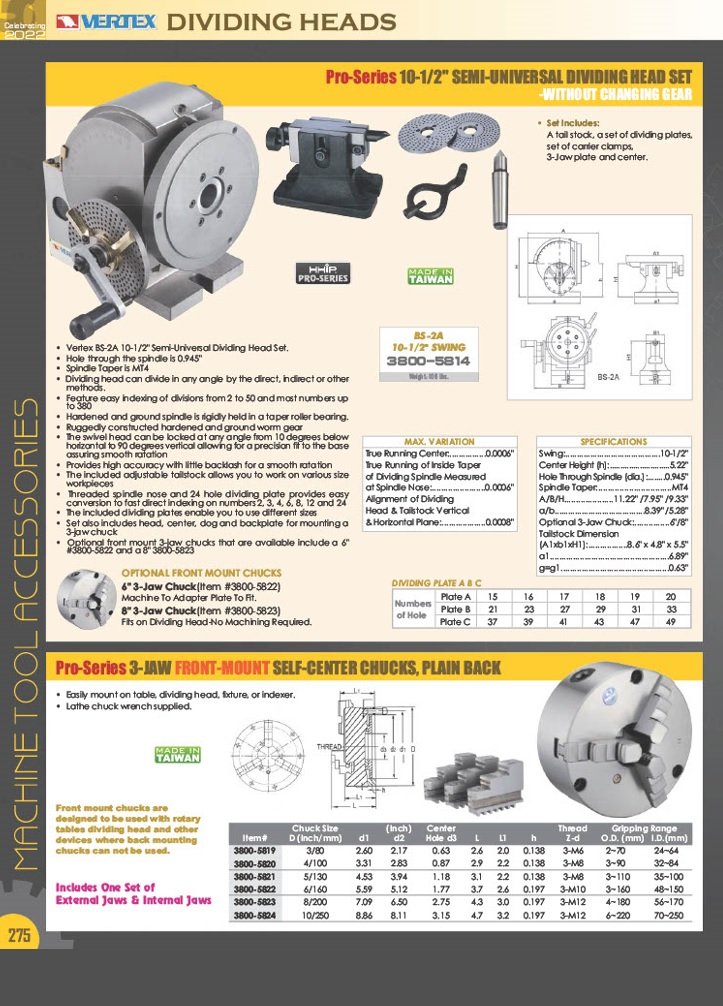
One Setup for Direct Indexing, Indirect Indexing and Angled Milling
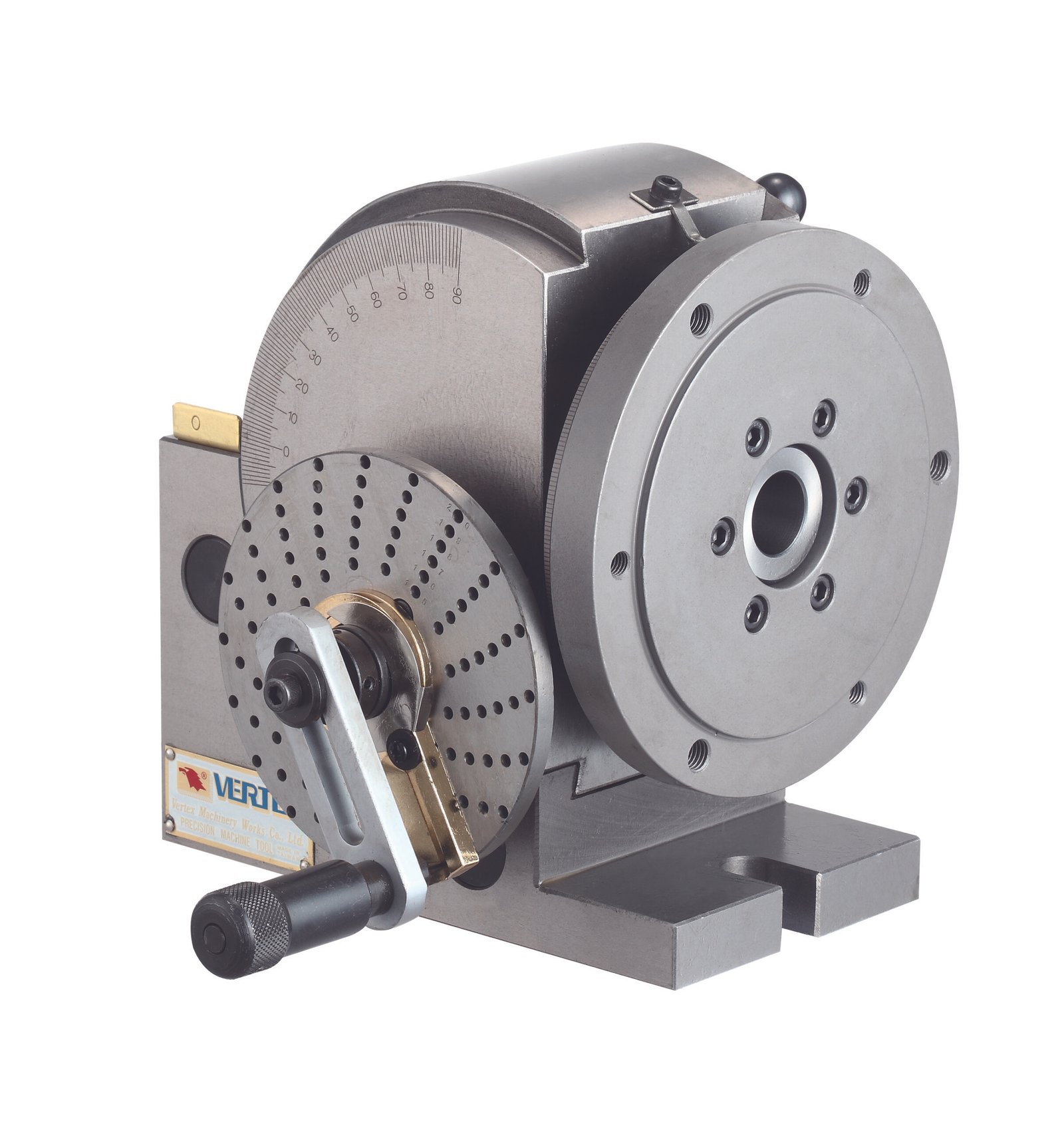
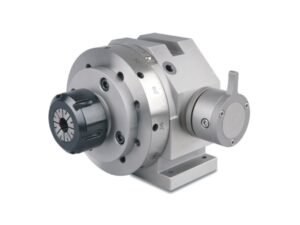
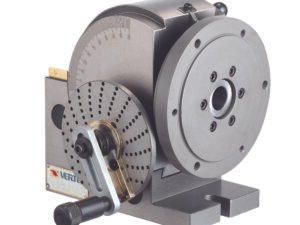
The Vertex BS-1 10″ Semi-Universal Dividing Head Set gives machinists a practical way to position round workpieces for equally spaced features, calculated angles and between-centers milling operations.
Its hardened and ground spindle, rigid tapered-roller-bearing support and hardened worm mechanism are designed to provide smooth rotation with limited backlash. The head can be tilted from 10° below horizontal through 90° vertical, allowing the workpiece axis to be positioned for horizontal, vertical or angled machining.
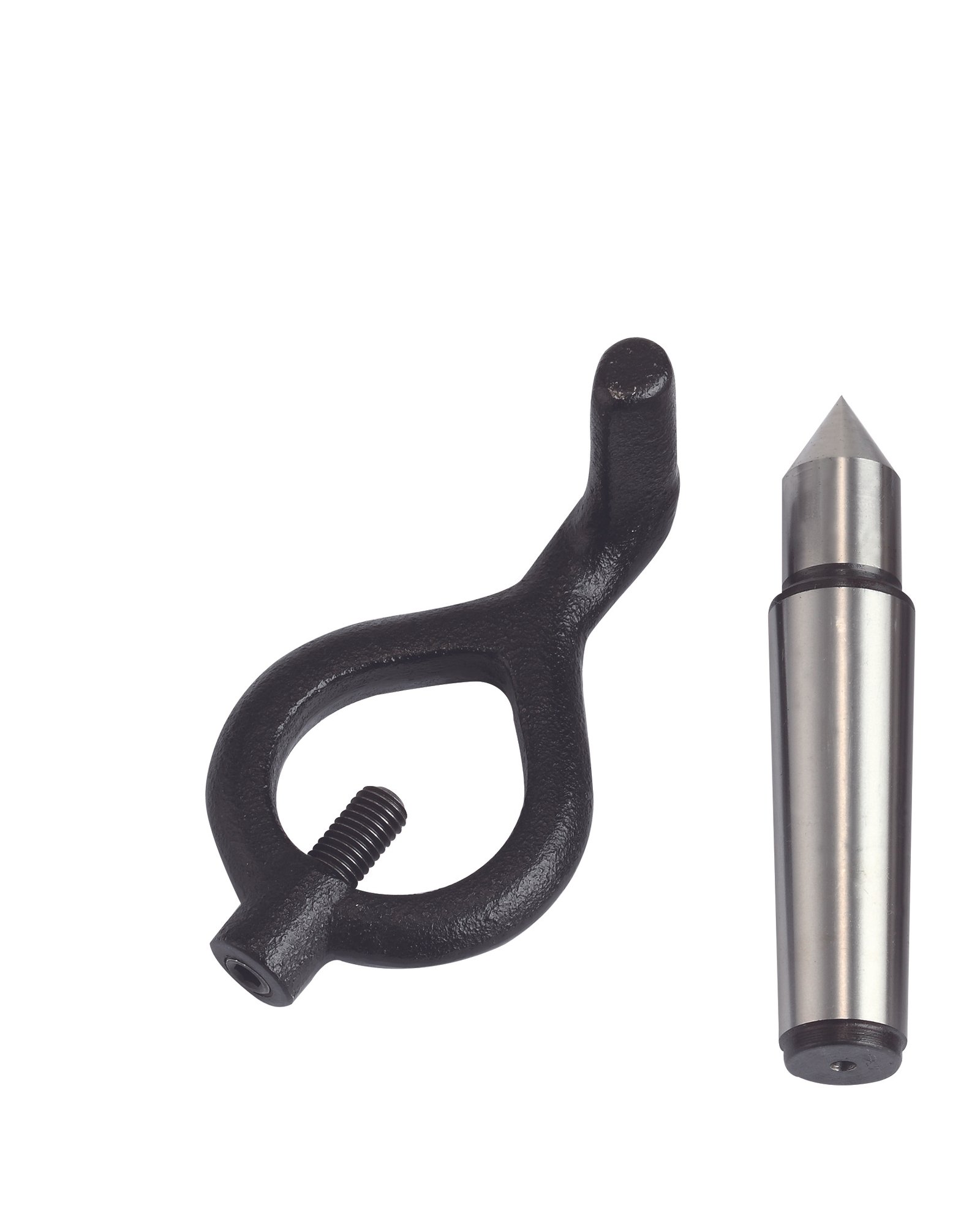
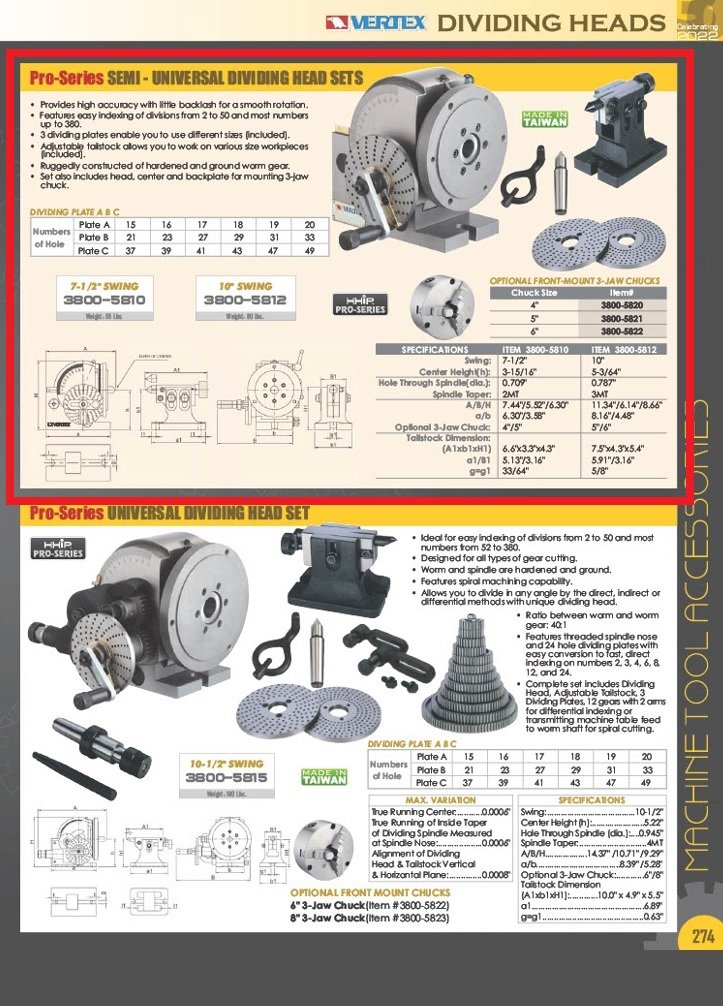
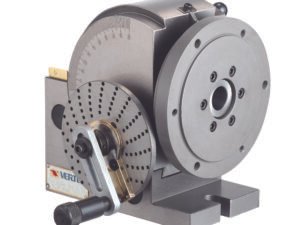
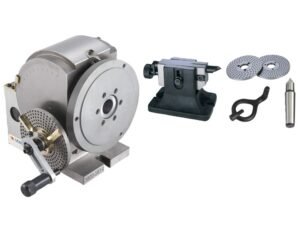
The complete set includes the BS-1 dividing head, adjustable tailstock, centers, drive dog, dividing plates and a backplate for mounting a compatible three-jaw chuck.
Replace improvised indexing setups with one rigid, adjustable system built for repeatable milling-machine work.
Designed for Everyday Toolroom Indexing
The Vertex BS-1 is well suited to machine shops that need more capability than a fixed indexer but do not require the differential gearing and spiral-milling equipment supplied with a fully universal BS-2.
It supports three important positioning methods:
- Direct indexing: Fast spindle positioning through the 24-hole direct-indexing plate.
- Indirect indexing: Uses the 40:1 worm ratio, crank and dividing plates to produce a broad selection of divisions.
- Angular indexing: Allows the spindle to be rotated through a calculated angle using the worm-and-crank relationship.
The BS-1 provides straightforward indexing from 2 through 50 divisions and most required divisions up to 380, according to the available plate-hole combinations and indexing chart.
Fast Direct Indexing for Common Divisions
The threaded spindle nose incorporates a 24-hole direct-indexing plate. By disengaging the worm and moving the spindle through the required number of holes, the operator can rapidly generate:
- 2 divisions at 180°
- 3 divisions at 120°
- 4 divisions at 90°
- 6 divisions at 60°
- 8 divisions at 45°
- 12 divisions at 30°
- 24 divisions at 15°
This method reduces setup time when machining squares, hexagons, equally spaced flats, slots, keyways and repeating hole patterns.
40:1 Indirect Indexing for More Tooth Counts
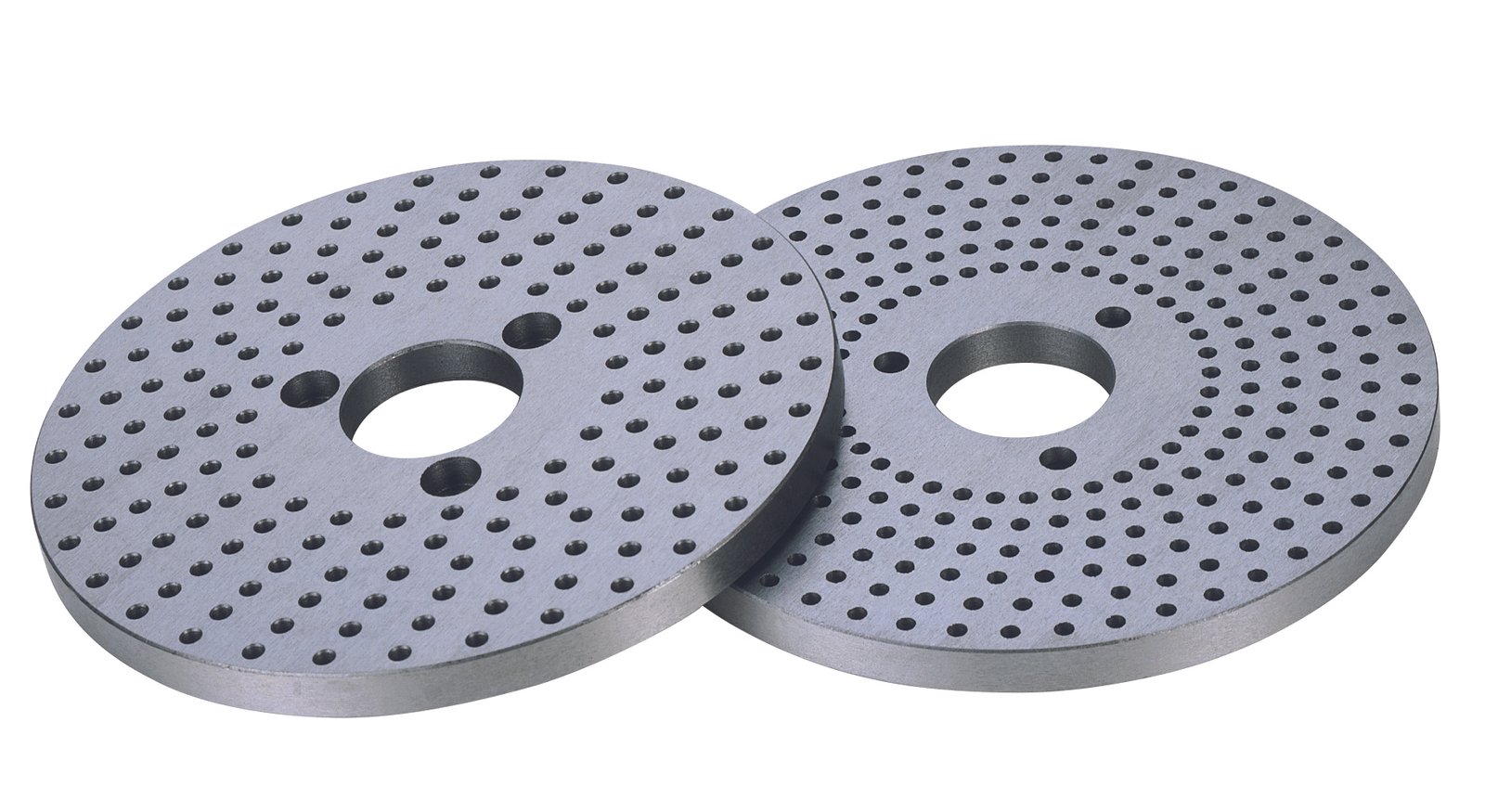
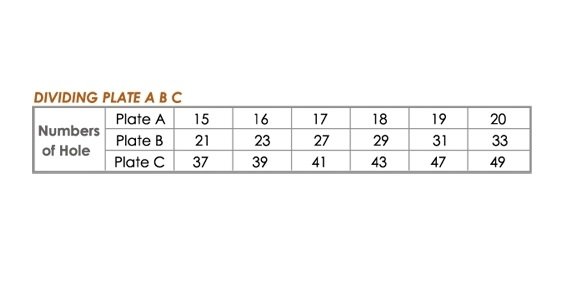
For divisions that are not available through the 24-hole direct plate, the BS-1 uses a 40:1 worm-to-wheel ratio with the included dividing plates.
Forty full turns of the indexing crank rotate the work spindle once. This provides the basis for calculating the number of crank turns and plate holes required for each division.
Indirect indexing expands the range of possible operations to include:
- Spur-gear blank indexing.
- Spline and serration layouts.
- Multiple flats on shafts.
- Fluting and equally spaced grooves.
- Bolt-circle patterns.
- Indexed drilling and milling operations.
- Polygonal features on round components.
Always confirm the required division against the supplied plate set and indexing chart before beginning the operation.
Tilt the Workpiece Axis from −10° to 90°
The swivel head can be locked anywhere from 10° below horizontal to 90° vertical. This allows the workpiece axis to be adapted to the operation instead of forcing the machinist to build a separate angled fixture.
Possible applications include:
- Horizontal indexing of shafts and cylindrical components.
- Vertical positioning for face drilling and milling patterns.
- Angled holes or slots around a component.
- Bevel and angular feature layouts.
- Milling features at a controlled compound orientation.
The head must be securely locked after angular positioning. Final accuracy also depends on proper alignment with the milling-machine axes.
Adjustable Tailstock for Between-Centers Milling
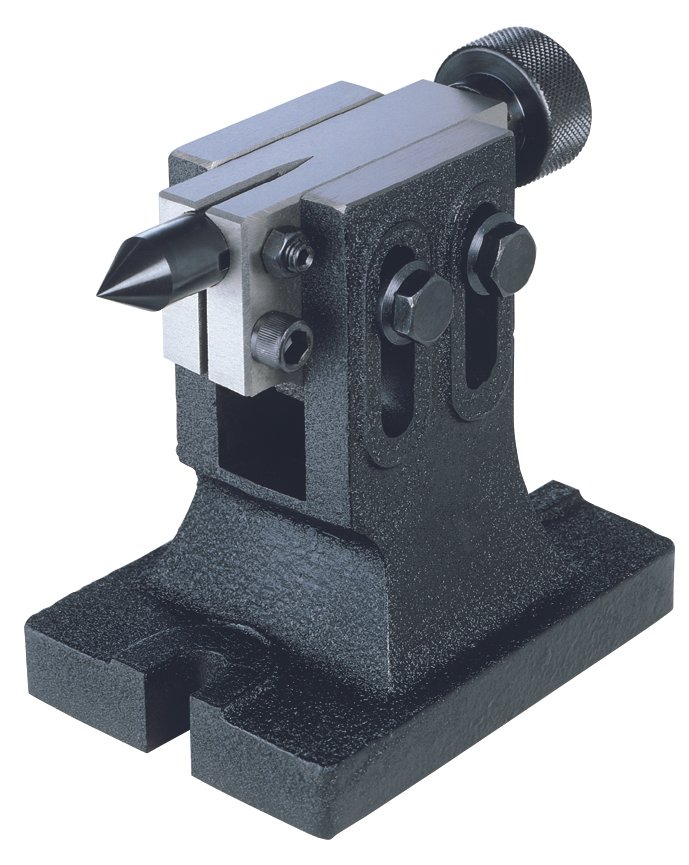
The included adjustable tailstock supports longer shafts, arbors and gear blanks during indexing. This helps reduce workpiece deflection and provides a stable reference when machining features along a cylindrical component.
Between-centers support is particularly useful for:
- Long gear blanks.
- Shaft flats and keyways.
- Splined shaft layouts.
- Fluted components.
- Automotive and industrial repair shafts.
- Prototype components that require multiple indexed features.
Carefully align the tailstock center with the dividing-head spindle before machining. Excessive tailstock pressure can distort a slender workpiece or overload the center.
Hardened Spindle and Worm Mechanism
The dividing spindle is hardened and ground and is rigidly supported in a tapered roller bearing. The worm mechanism is also hardened and ground to provide controlled spindle movement and help minimize backlash.
This construction supports:
- Smoother crank operation.
- Improved rigidity during milling.
- Controlled angular positioning.
- Repeatable engagement of the worm mechanism.
- Long-term adjustment through correct maintenance and backlash control.
Accuracy still depends on clean mounting surfaces, proper clamping, worm-backlash adjustment and correct operator technique.
MT3 Spindle Taper and 0.787″ Through Hole
The spindle incorporates an MT3 internal taper and a 0.787″ through hole. The MT3 taper allows compatible centers and tooling to be installed directly in the spindle.
The spindle through hole can provide clearance for suitable arbors or workholding components. Actual passage depends on all tooling and adapters installed in the setup.
Chuck-Ready Backplate Included
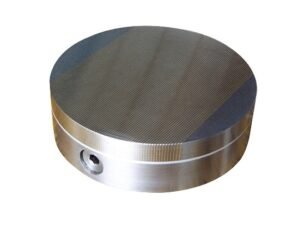
The set includes a backplate for mounting a compatible three-jaw chuck. A chuck is not identified as included, allowing the buyer to select the diameter that best matches the intended workpiece and machine-table capacity.
Compatible Vertex front-mount chuck options listed for the BS-1 include:
- 4″ Vertex front-mount three-jaw chuck – SKU 3800-5820
- 5″ Vertex front-mount three-jaw chuck – SKU 3800-5821
- 6″ Vertex front-mount three-jaw chuck – SKU 3800-5822
Verify the backplate, bolt pattern, spindle-nose thread, workpiece size and available machine clearance before selecting the chuck.
Applications Across Professional and Maintenance Shops
The Vertex BS-1 can add valuable indexing capability to:
- Manual milling departments.
- Tool-and-die shops.
- Automotive machine shops.
- Industrial maintenance departments.
- Gear and shaft repair facilities.
- Mold-repair and prototype shops.
- Agricultural equipment repair workshops.
- Technical schools and advanced home workshops.
It can be used for milling, drilling and other controlled indexing operations when correctly mounted on a compatible machine table.
Technical Specifications
| Brand | Vertex |
|---|---|
| Model | BS-1 |
| SKU | 3800-5812 |
| Product Type | Semi-universal dividing head set |
| Nominal Size | 10″ |
| Worm Gear Ratio | 40:1 |
| Indexing Methods | Direct, indirect and calculated angular indexing |
| Common Indexing Range | 2–50 and most divisions up to 380 |
| Direct-Index Plate | 24 holes |
| Fast Direct Divisions | 2, 3, 4, 6, 8, 12 and 24 |
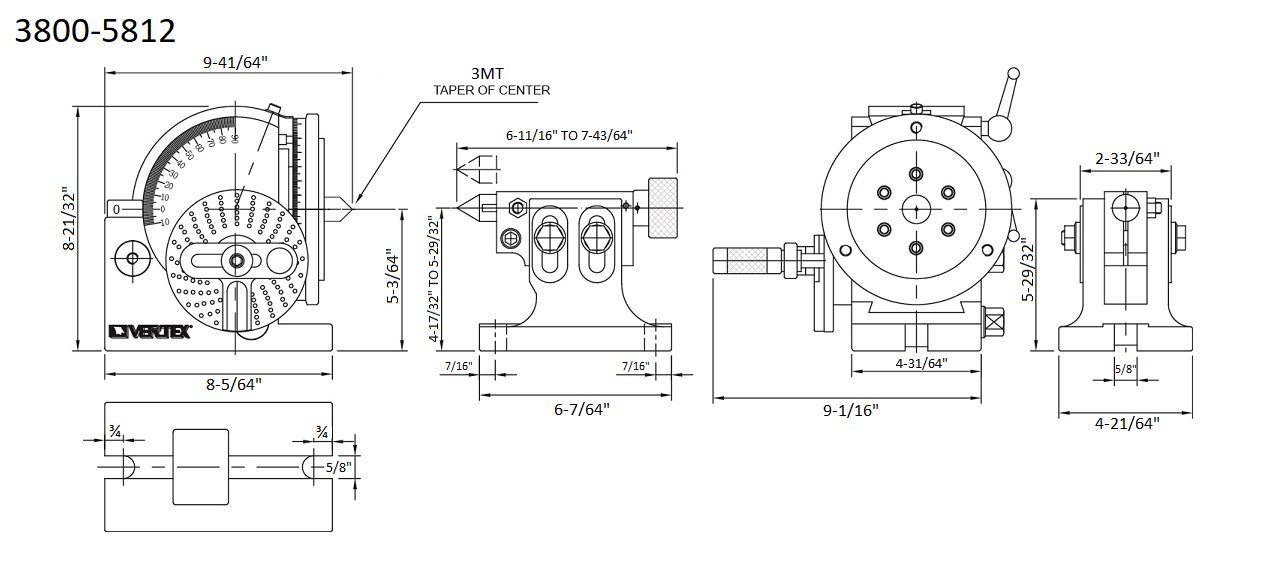
| Head Tilting Range | 10° below horizontal to 90° vertical |
| Spindle Taper | MT3 |
| Spindle Through Hole | 0.787″ |
| Spindle Nose | Threaded |
| Spindle Support | Tapered roller bearing |
| Manufacturing Origin | Made in Taiwan |
| Shipping Weight | 74 lb |
What Is Included?
- Vertex BS-1 semi-universal dividing head
- Adjustable matching tailstock
- Headstock center
- Tailstock center
- Drive dog
- Dividing plates
- Backplate for mounting a compatible three-jaw chuck
Chuck notice: A three-jaw chuck is optional and is not listed as included with the 3800-5812 set.
BS-1 or BS-2: Which Vertex Dividing Head Should You Buy?
Choose the Vertex BS-1 when your work primarily requires direct indexing, indirect indexing, calculated angular positioning, head inclination and between-centers milling.
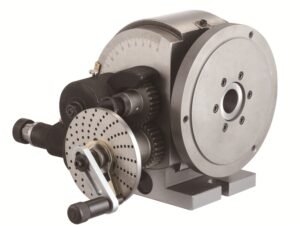
Choose the Vertex BS-2 universal dividing head when the application specifically requires differential indexing, change gears or synchronization with machine-table movement for spiral or helical machining.
Buying the BS-1 for standard indexing avoids paying for a gear train and advanced functions the shop may never use. Buying the BS-2 is justified when uncommon divisions or spiral work are part of the actual production requirement.
Dividing Head or Rotary Table?
A dividing head is generally the better choice for equally spaced features, gear-tooth layouts, splines, shaft flats and work supported between centers.
A rotary table is generally better suited to machining arcs, radii, circular slots and continuously controlled angular paths. Some shops benefit from having both because they solve different setup problems.
Compatibility Checks Before Ordering
- Confirm milling-machine table size and T-slot layout.
- Verify available X, Y and Z travel with the head installed.
- Account for the 74 lb shipping weight plus chuck and workpiece weight.
- Confirm machine-table load capacity.
- Check spindle-to-workpiece clearance in horizontal, vertical and angled positions.
- Verify the optional chuck diameter and mounting pattern.
- Confirm workpiece length and tailstock adjustment requirements.
- Use appropriate lifting and handling equipment.
Frequently Asked Questions
Can the Vertex BS-1 cut gears?
It can index a gear blank for suitable gear-cutting operations. The cutter, tooth count, blank dimensions, indexing calculation, machine rigidity and setup remain application-specific.
Can it perform differential indexing?
The BS-1 set does not list the change gears and support arms required for differential indexing. Choose the Vertex BS-2 when differential indexing is required.
Can the BS-1 perform spiral or helical milling?
Spiral-milling capability is not listed for this BS-1 set. The BS-2 universal model is the appropriate comparison when machine-table motion must be transmitted to the dividing-head spindle.
Does the set include a chuck?
No three-jaw chuck is identified as included. A backplate is supplied, and compatible 4″, 5″ and 6″ Vertex front-mount chucks are available separately.
Can the spindle be positioned vertically?
Yes. The head can be tilted and locked from 10° below horizontal through 90° vertical.
What does a 40:1 ratio mean?
Forty complete turns of the indexing crank rotate the work spindle one full revolution. This ratio is used with the dividing plates to calculate indirect and angular indexing movements.
Add Controlled Indexing to Your Milling Department
The Vertex BS-1 Semi-Universal Dividing Head Set provides the indexing range, adjustable orientation and between-centers support needed for everyday gear, shaft, hole-pattern and polygonal machining.
Add the Vertex BS-1 to your quote today. Send us your machine-table dimensions, intended workpiece size and preferred chuck diameter if you need help confirming the correct setup.
Request pricing and application support
Complete or Upgrade Your Indexing Setup
- Compare all dividing heads for milling machines.
- Need differential indexing or spiral milling? Compare the Vertex BS-2 universal dividing head with change gears.
- Need a smaller, lighter setup? Review the Vertex 7-1/2″ semi-universal dividing head.
- For compact workpieces, add the Vertex 4″ front-mount three-jaw chuck.
- For increased workpiece capacity, consider the Vertex 6″ front-mount three-jaw chuck.
- Browse all Vertex front-mount chucks for dividing heads and rotary tables.
- For fast repetitive indexing in fixed divisions, explore our rotary indexing fixtures and super spacers.
Reviews
There are no reviews yet.