Technical Data Sheet: DASQUA 0-1″ Jeweled Bearing Dial Indicator
Product Overview
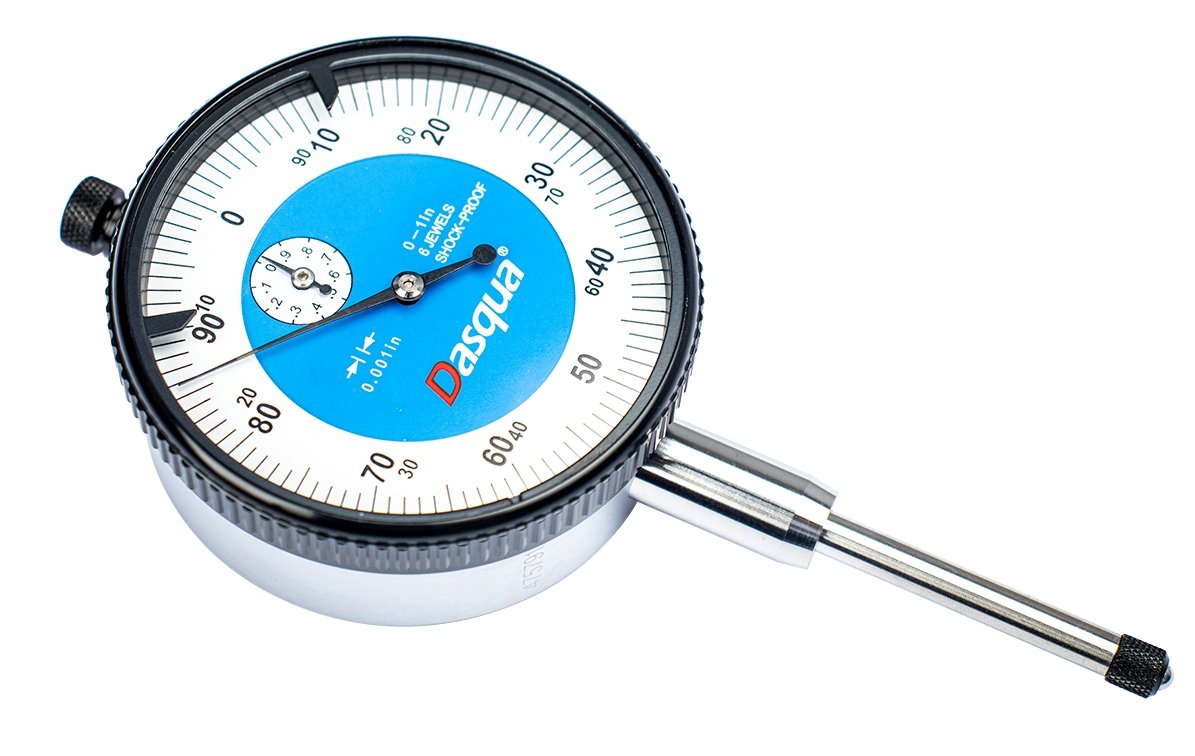
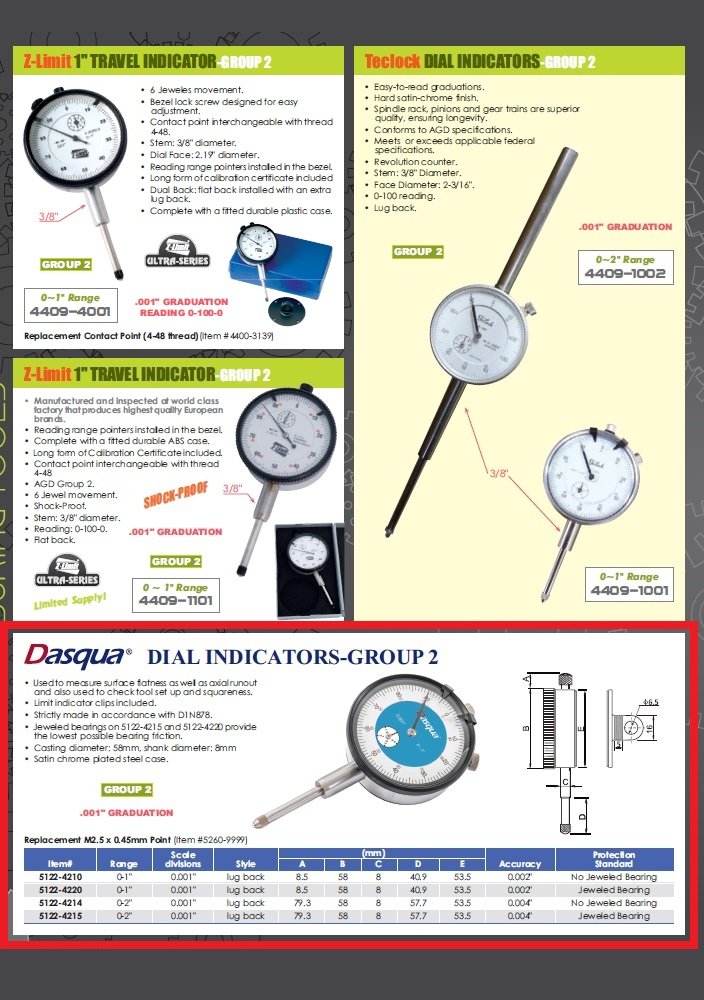
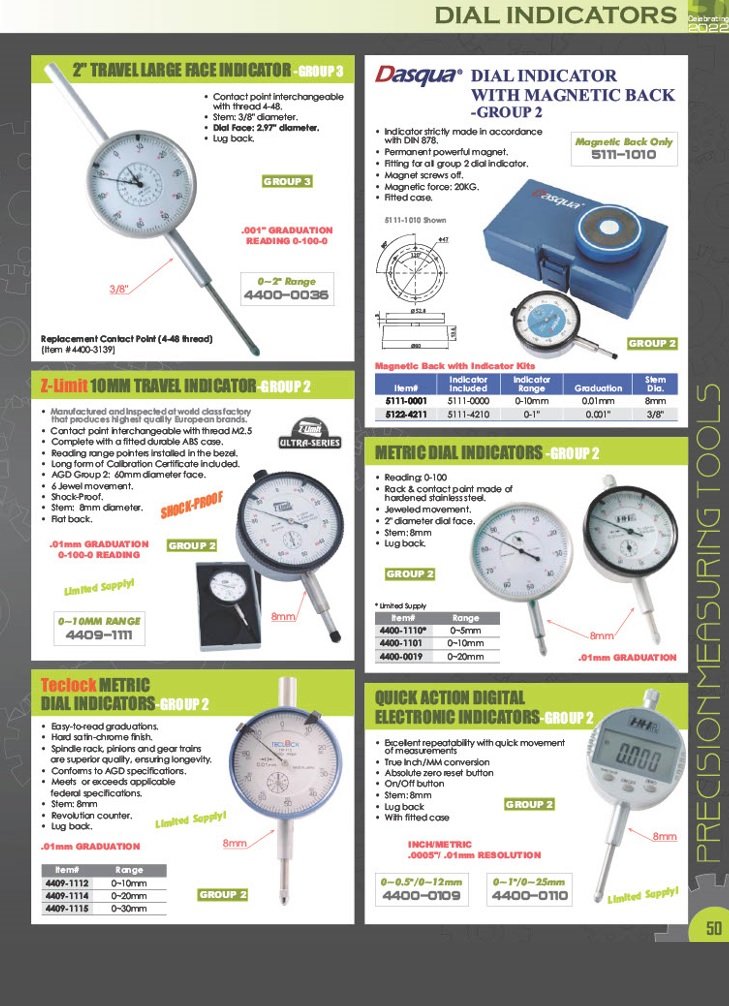
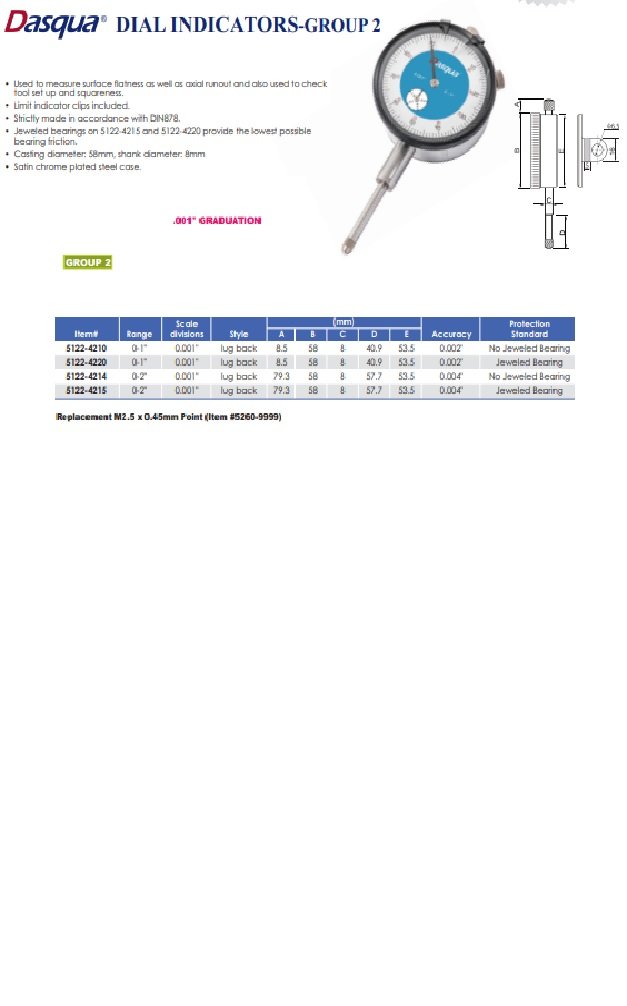
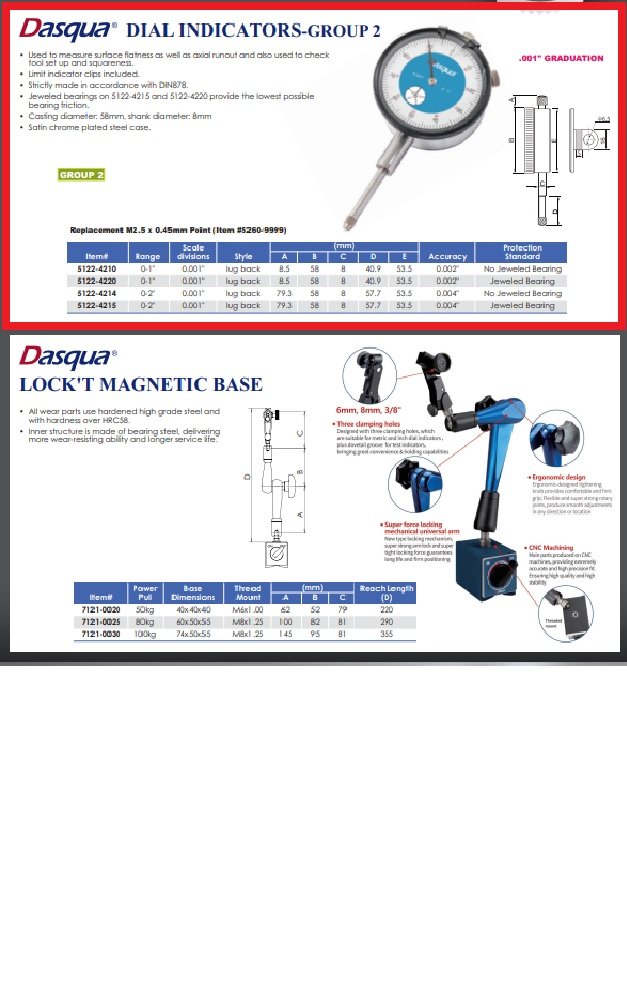
The DASQUA 0-1″ Jeweled Bearing Lug Back Dial Indicator (SKU: 5122-4220) is a professional-grade metrology instrument designed for extreme precision and low-friction operation. Engineered in strict accordance with DIN878 standards, this indicator is the industrial benchmark for checking tool setup, measuring axial runout, and verifying surface flatness.
The standout feature is its integrated jeweled bearings, which provide the lowest possible internal friction, ensuring that even the slightest variations are captured with absolute fidelity.
Technical Specifications
| Feature | Specification |
| Measuring Range | 0 – 1″ |
| Graduation | 0.001″ |
| Standard Compliance | DIN878 |
| Bearing Type | Jeweled Bearings (Low-Friction) |
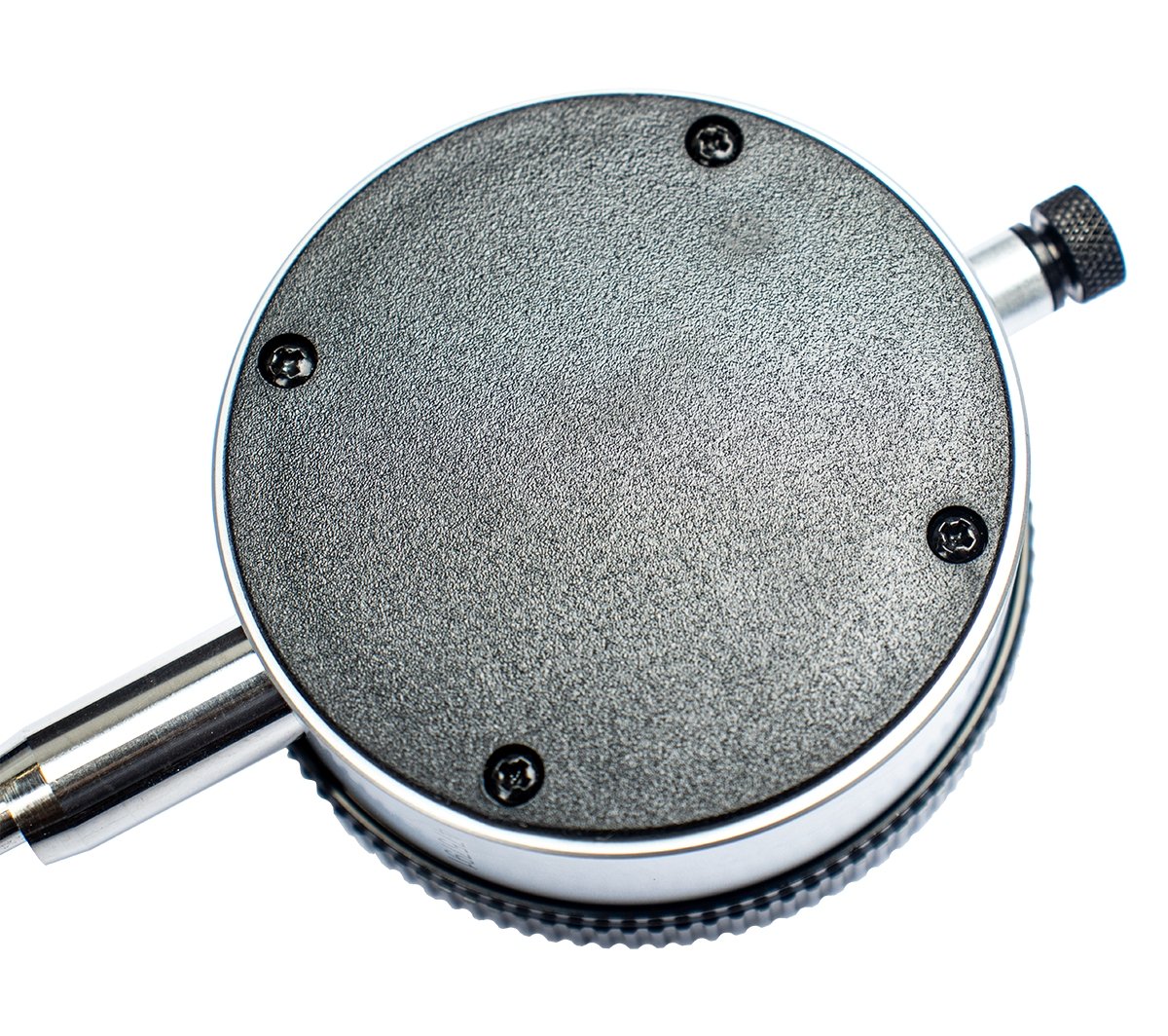
| Back Style | Lug Back |
| Casing Diameter | 58mm (Group 2) |
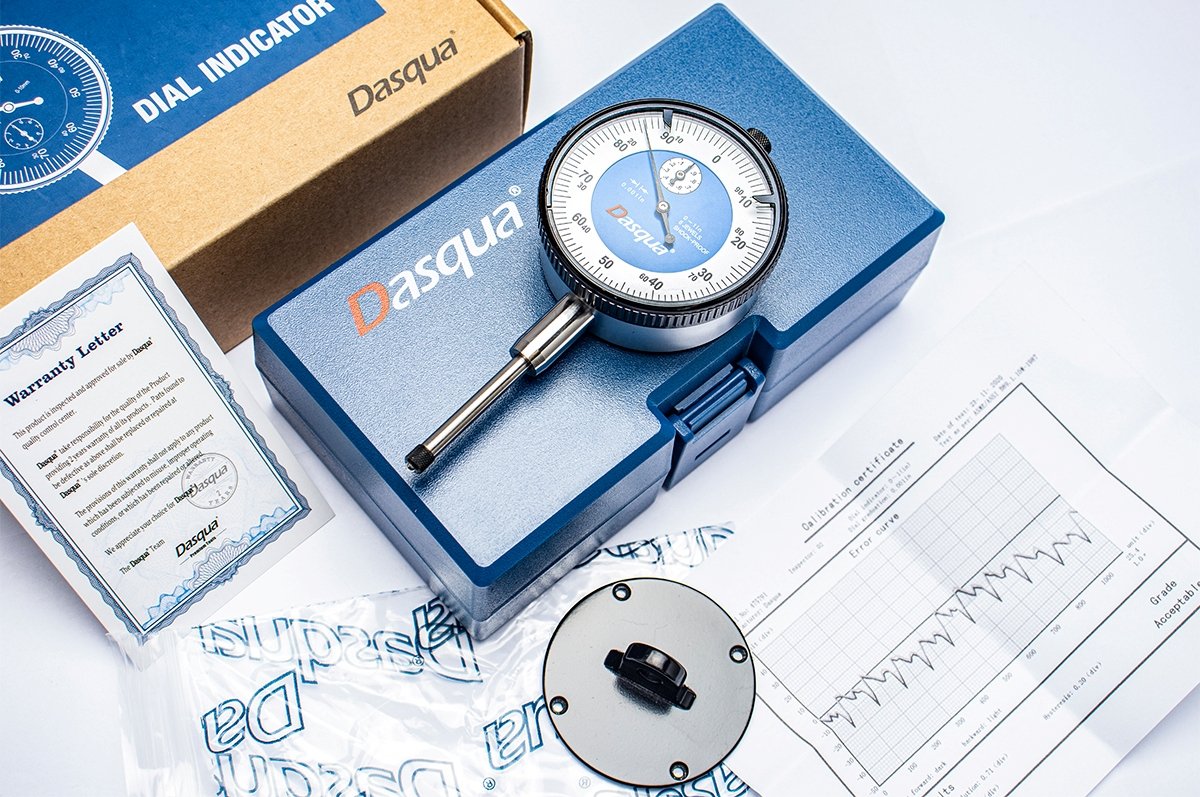
| Included Accessories | Limit indicator clips, Fitted hard case |
Key Features & Industrial Benefits
Frictionless Sensitivity: The jeweled bearing construction minimizes internal resistance, allowing the plunger to respond instantly to micro-deviations for higher sensitivity and quicker response times.
DIN878 Precision: Manufactured under rigorous European standards, ensuring that accuracy and hysteresis remain within strict industrial tolerances for ISO-certified shops.
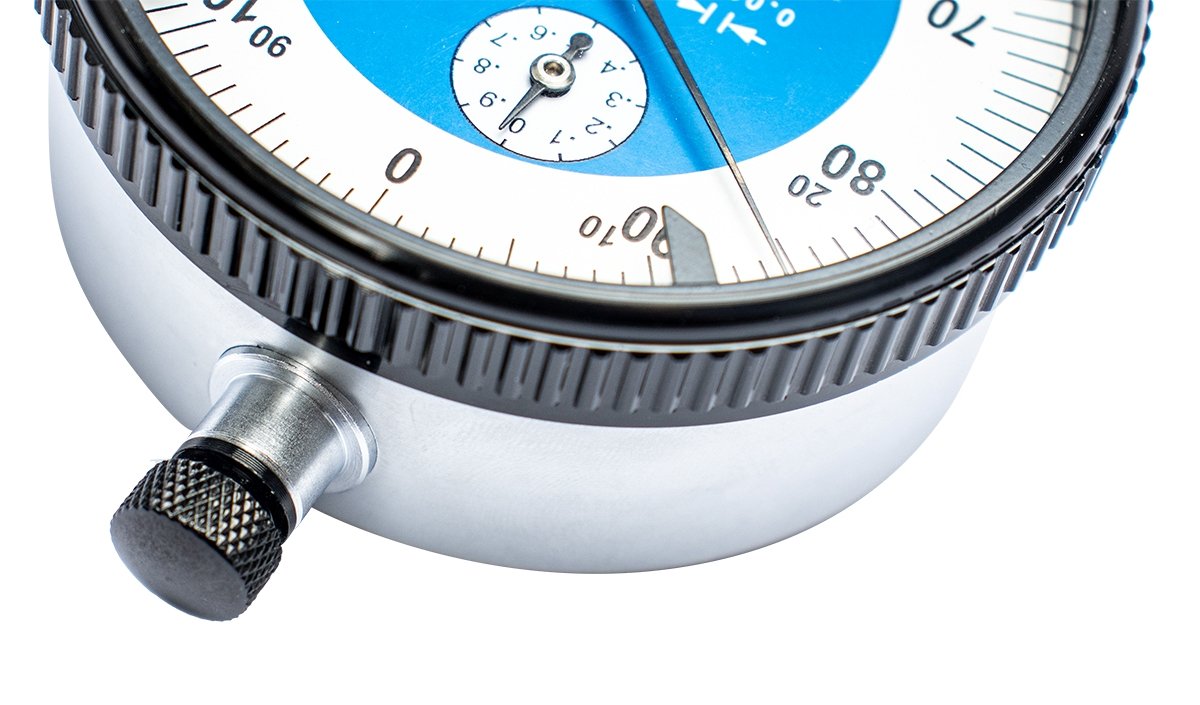
Enhanced Readability: Featuring a high-contrast dial face with adjustable limit indicator clips to quickly identify “Go/No-Go” tolerance zones during high-volume inspection.
Rugged Construction: Built with a satin chrome-plated steel case and hardened gears to resist the wear and tear of a bustling toolroom or production floor.
Pro-Tips for Precise Measurement
Zero-Setting Discipline: Always set the bezel zero while the plunger is slightly pre-loaded (approximately 0.010″ – 0.020″). This ensures you are measuring within the linear range of the gear train.
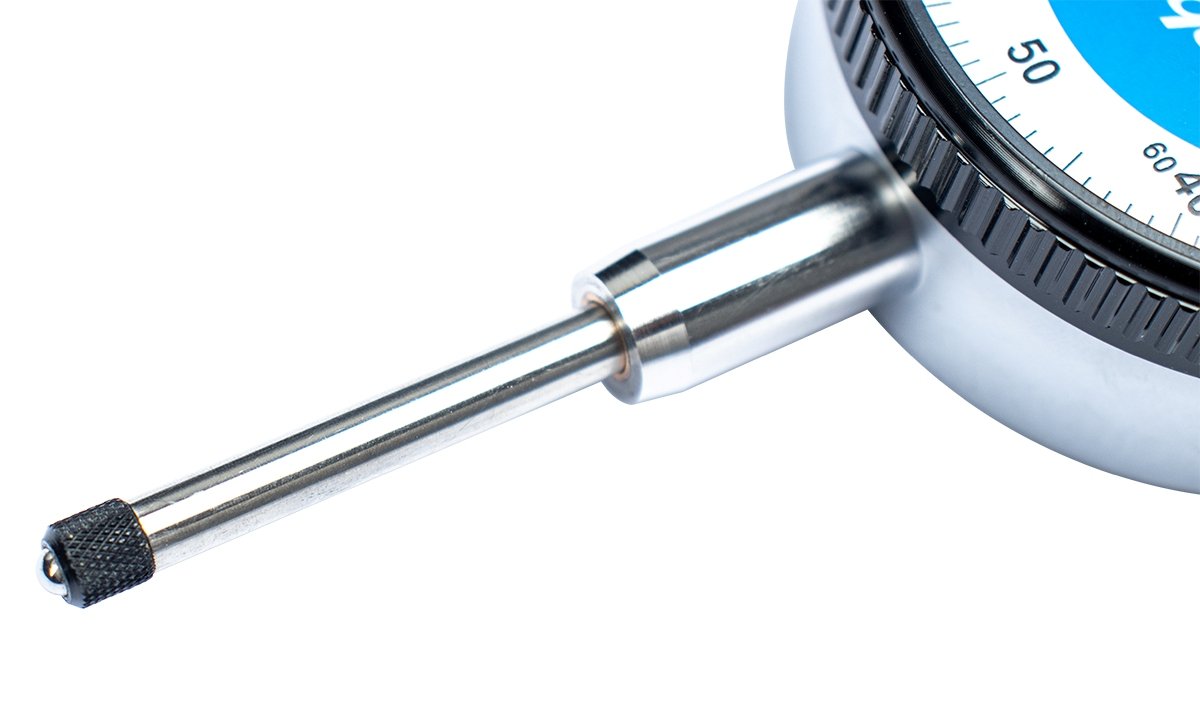
Mounting Stability: Use the lug back with a high-quality magnetic base or articulated arm. Any flex in the mounting hardware will translate into false readings.
Runout Check: When checking axial runout, position the indicator tip perpendicular to the surface. An angled approach can introduce “cosine error,” leading to inaccurate data.
Environmental Care: Always store the indicator in its fitted case when not in use to prevent dust from entering the jeweled mechanism, which can increase friction over time.